Other Places to Get Copyright-Free Ebooks
Safe and legal places to access find copyright-free ebooks:
Google Books: Google Books offers a vast collection of public domain ebooks that can be read online or downloaded for free.
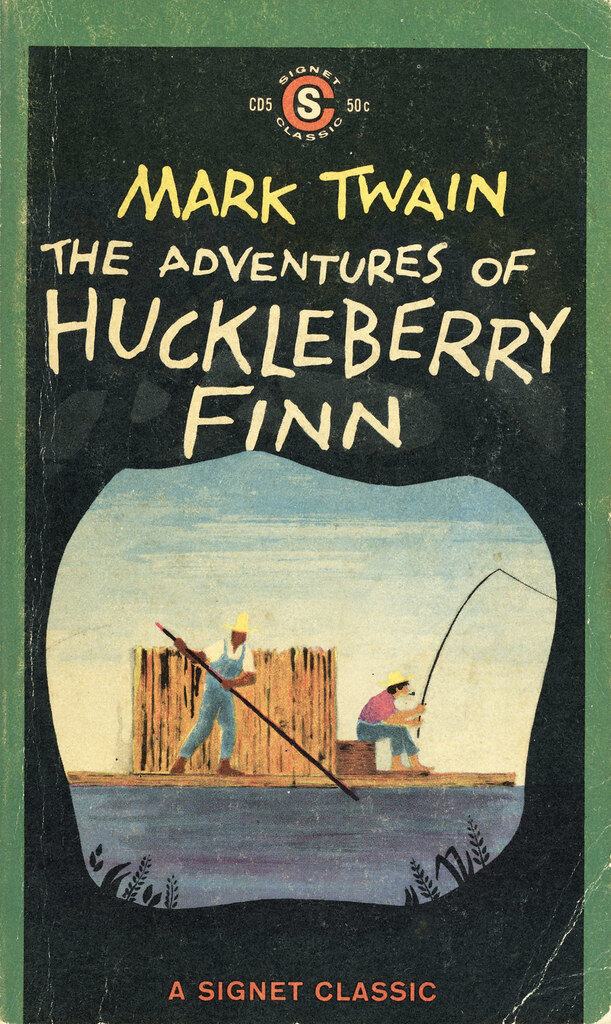
Project Gutenberg: One of the largest and most well-known sources of public domain ebooks, Project Gutenberg offers over 60,000 free ebooks, including classics like “Pride and Prejudice” by Jane Austen and “Moby-Dick” by Herman Melville.
Internet Archive: The Internet Archive’s Open Library project provides access to millions of free ebooks, including many that are in the public domain.
Understanding Public Domain
The public domain in this context means books that are no longer protected by intellectual property laws such as copyright, trademark or patent laws. Once a work enters the public domain that book can be freely used, shared or changed by anyone without seeking permission from the original creator.
How Books Enter Public Domain
There are many ways a book can enter public domain:
- Expiration of Copyright: Most books enter public domain when their copyright expires. The length of copyright protection varies by country, but in the USA works published before 1927 are now a part of the public domain. For works published after 1927, the copyright usually lasts for the life of the author plus another 70 years.
- Failure to Renew Copyright: Before 1978, copyrights in the USA needed to be renewed after a starting 28-year term. If the copyright was not renewed, that book would enter public domain.
- Government Works: Books created by the U.S. federal government are automatically added to the public domain. This includes documents, reports and other materials produced by government agencies.
- Dedication to the Public Domain: Authors can choose to add their works to the public domain. Most of the time this is done with a Creative Commons license or similar mechanisms.
- Orphan Works: These are books whose copyright owners are unknown or cannot be located. While orphan works are technically still under copyright, they are often treated as if they were in the public domain since the original author cannot be contacted for their permission.
The Benefits of Copyright-Free Ebooks
Copyright-free ebooks are very important and offer many benefits to readers, educators and researchers:
- Free Access: The most obvious benefit is that these ebooks are free to download and read. This makes classic books and more accessible to everyone, including those who may not be able to afford to purchase books.
- Educational Use: Teachers and students can use public domain works for learing without worrying about copyright infringement. This is helpful for creating course materials, presentations and research papers without having to pay a publishing company for rights.
- Creative Reuse: Artists, writers and other creators can build upon public domain works, creating new and innovative content. This includes adaptations, translations and remixes.
- Preservation: Digital copies of public domain works help preserve literature for future generations. Ebooks are easier/less expensive to store and distribute than physical books, ensuring that these works remain accessible for years to come.